

Top 6 Scenic Viewpoints in Palm Springs: Nature's Most Stunning Vistas
Palm Springs is renowned for its breathtaking desert landscapes, majestic mountains, and stunning vistas that captivate visitors from around the world. Whether you're seeking dramatic mountain panoramas, serene canyon retreats, or sweeping valley views, Palm Springs offers an incredible array of scenic viewpoints that showcase the raw beauty of the Coachella Valley. From accessible overlooks to rewarding hiking destinations, these six viewpoints deliver some of the most memorable views in Southern California. Here are the top 6 scenic viewpoints in Palm Springs that you absolutely cannot miss.
1. Palm Springs Aerial Tramway: The World's Largest Rotating Tram Car
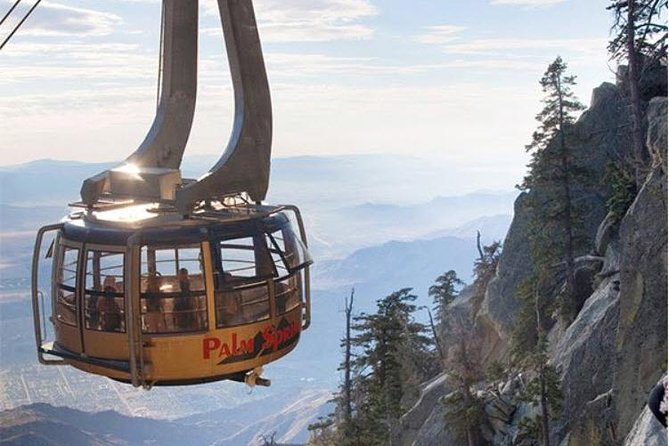
The Palm Springs Aerial Tramway is an iconic experience that elevates you from the desert floor to the pristine wilderness of Mount San Jacinto State Park in just 10 minutes. This world's largest rotating tram car ascends 8,600 feet through the dramatic Chino Canyon, offering an unforgettable 360-degree rotating viewing experience that showcases the entire Coachella Valley below.
What to Expect
- Rotating Tram Car: The iconic rotating cabin ensures you enjoy panoramic views from every angle during your ascent
- Elevation Change: Nearly 6,000 vertical feet of dramatic elevation gain with an 18-degree temperature drop
- Journey Duration: 2.5-mile journey taking approximately 10 minutes each way
- Summit Facilities: Two restaurants, natural history museum, observation decks, and 50+ miles of hiking trails
- Year-Round Appeal: Winter snow, spring wildflowers, cool summer refuge, and golden-hour sunsets
Why Visit the Aerial Tramway?
The Palm Springs Aerial Tramway is more than just a mode of transportation, it's a transformative experience. As your rotating car ascends Chino Canyon's dramatic cliffs, you'll witness an incredible transition from desert scrubland to pine forests. The unobstructed 360-degree views reveal the entire Coachella Valley spreading below like a magnificent patchwork quilt, framed by rugged San Jacinto and San Gorgonio peaks. This is one of Southern California's most accessible ways to experience dramatic elevation changes and alpine scenery.
The temperature difference between the valley floor (often 100°F+) and the summit (around 70°F) provides both comfort and perspective on the region's diverse ecosystems.
Pro Tips
- Best Time to Visit: Early morning for the clearest valley views and comfortable temperatures
- Sunset Experience: Late afternoon visits offer spectacular golden-hour lighting and city lights views
- Rotating Car Feature: No bad viewing spots, the rotating car ensures everyone gets perfect views
- Hiking at the Summit: The Mount San Jacinto Peak Trail offers additional stunning vistas for serious hikers
- Winter Wonder: Snow at the summit creates a surreal contrast with the desert below
- Dining with Views: The restaurants offer meals with panoramic mountain vistas
- Photography: Bring a wide-angle lens to capture the expansive valley views
Practical Information
- Hours: Daily; hours vary seasonally
- Cost: Reasonable round-trip fares; discounts available for children and seniors
- Parking: Free parking available at the base station
- Accessibility: The tram car is wheelchair accessible
- Duration: Plan 2-4 hours including the tram ride and summit exploration
2. Indian Canyons: Sacred Landscapes and Waterfall Vistas
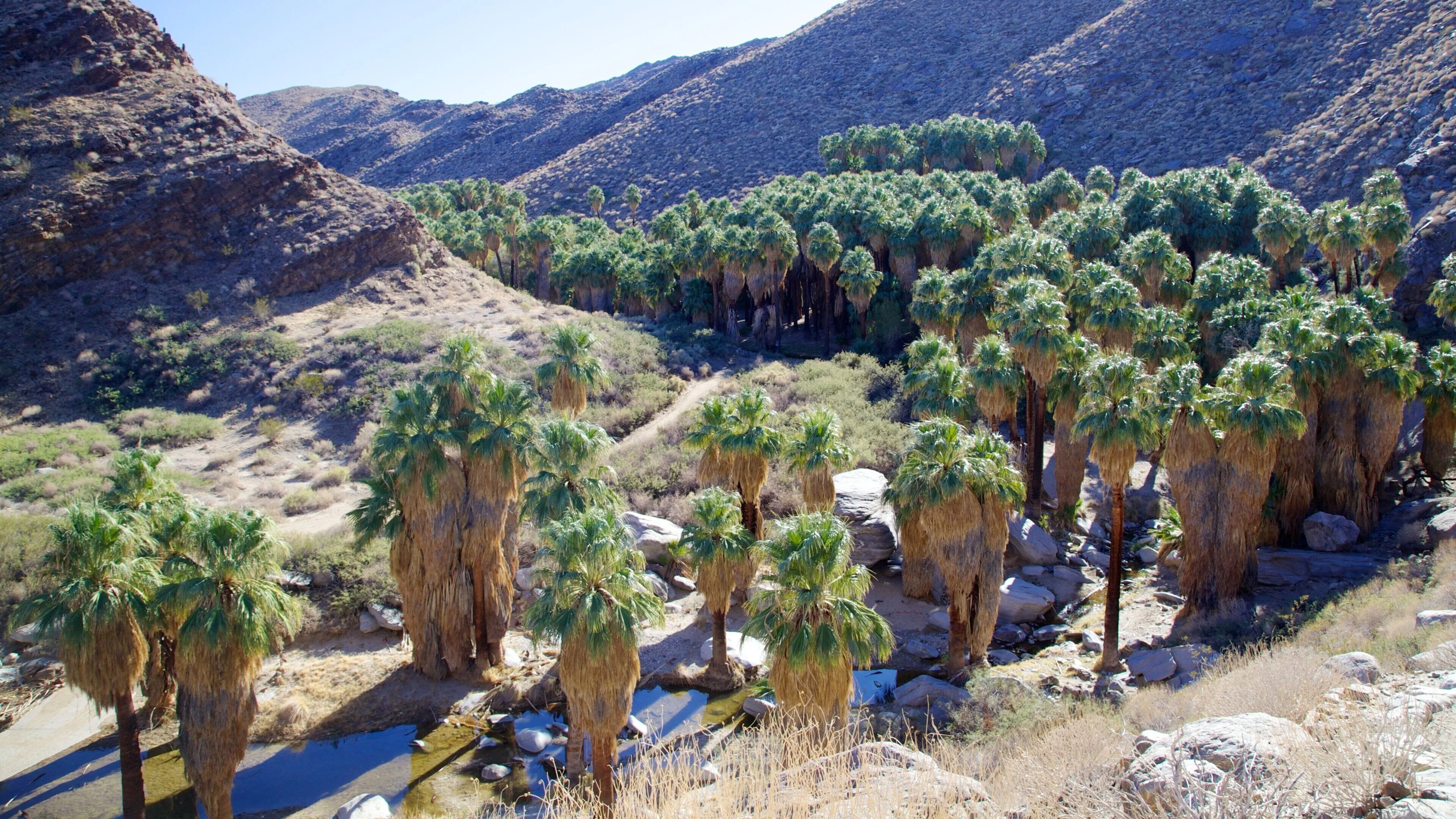
Indian Canyons comprises three spectacular canyon systems, Andreas Canyon, Murray Canyon, and Palm Canyon, situated on the ancestral lands of the Agua Caliente Band of Cahuilla Indians. These sacred canyons offer dramatic rock formations, lush palm oases, and stunning waterfall views that defy the surrounding desert landscape.
Canyon Systems & Highlights
Palm Canyon:
- Features: The world's largest naturally occurring California fan palm oasis with over 3,000 palm trees
- Trail: Easy to moderate 3.5-mile trail following a bubbling creek
- Highlight: Stunning canyon walls and abundant wildlife
- Best View: Sweeping vistas of the palm-filled canyon floor surrounded by towering cliffs
Andreas Canyon:
- Features: Easier terrain with fewer crowds; excellent for wildlife viewing
- Trail: Short 1-mile loop through diverse desert landscape
- Highlight: Ancient irrigation systems and rock formations
- Best View: Intimate canyon views with granite cliffs and lush vegetation pockets
Murray Canyon:
- Features: Most challenging of the three canyons; rewards serious hikers
- Trail: 2-6 miles depending on how far you venture
- Highlight: The spectacular Seven Sisters Waterfall cascading over granite rocks
- Best View: The magnificent 60+ foot waterfall framed by canyon walls and lush vegetation
Why Visit Indian Canyons?
Indian Canyons offer something rare in the desert: abundant water, lush vegetation, and profound cultural significance. These canyons create their own microclimates, with cool, shaded environments sustained by natural springs. Beyond the stunning scenery, hiking these ancestral lands connects you to Cahuilla history, evident in ancient rock art and traditional irrigation systems that still function today. The combination of dramatic geology, vibrant ecosystems, and cultural heritage makes Indian Canyons one of the most meaningful scenic destinations in the Coachella Valley.
Pro Tips
- Start Early: Beat the crowds and enjoy cooler morning temperatures
- Bring Water: At least 2-3 liters per person; springs exist but aren't always reliable
- Watch for Bighorn Sheep: Keep your eyes on rocky cliffs for this elusive wildlife
- Rock Art: Look for ancient petroglyphs along the canyon walls
- Best Canyon for You: Palm Canyon for easy access, Andreas for solitude, Murray for waterfalls
- Seasonal Water: Waterfall flow varies; spring offers the most dramatic cascades
- Hiking Boots: Sturdy footwear essential for rocky terrain and creek crossings
- Photography: Bring a telephoto lens for wildlife and wide-angle for canyon vistas
Practical Information
- Hours: Daily with seasonal variations
- Admission: Day-use fees per vehicle
- Parking: Available at each canyon entrance
- Accessibility: Palm Canyon offers the easiest terrain; Andreas and Murray more challenging
- Duration: 2-4 hours depending on which canyon(s) you explore
3. Coachella Valley Vista Point: Panoramic Desert Views
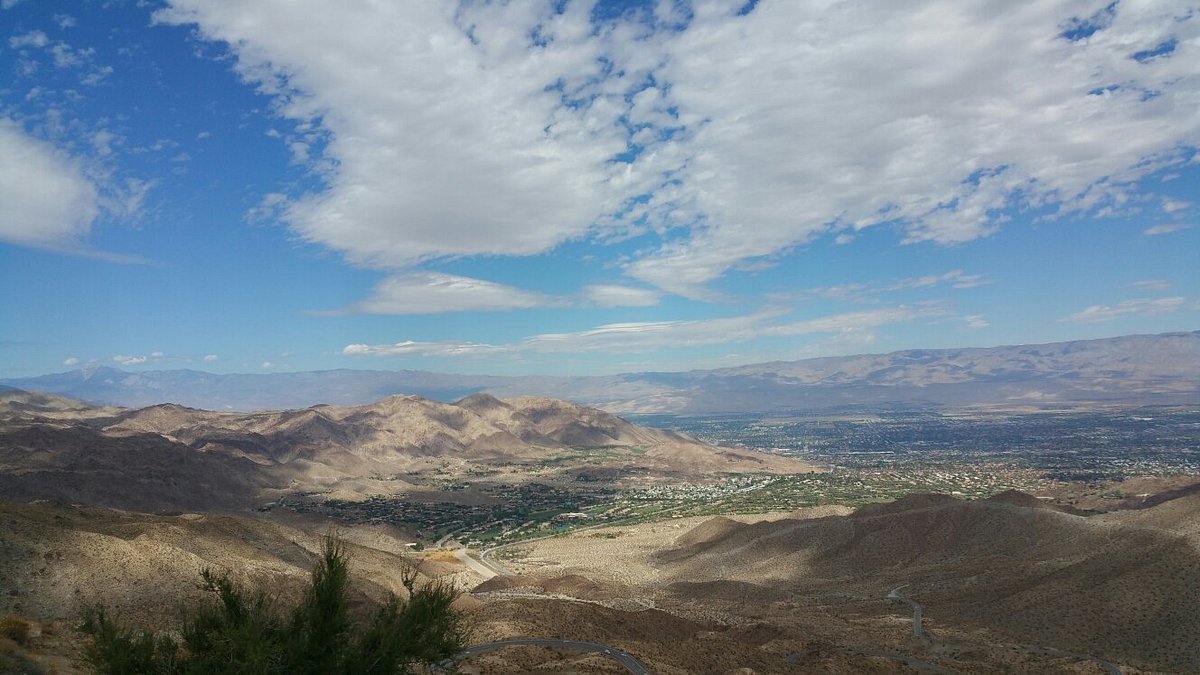
Perched majestically off Highway 74, Coachella Valley Vista Point offers one of the most accessible yet breathtaking panoramic views in the region. This scenic overlook provides unobstructed vistas spanning the entire Coachella Valley, from Palm Springs and Palm Desert to distant mountain ranges, all accessible via a quick scenic drive with minimal hiking required.
What to Expect
- Expansive Views: 180+ degree panoramic vistas of the entire valley below
- Easy Access: Pull-off parking with minimal walking to viewpoint
- Seasonal Variety: Different lighting conditions create unique views throughout the day
- Valley Landmarks: Views of Palm Springs, Palm Desert, La Quinta, Indian Wells, and beyond
- Mountain Backdrop: The majestic San Jacinto and Santa Rosa mountain ranges frame the valley
- Photography Paradise: Wide-angle opportunities and dramatic lighting conditions
Why Visit Coachella Valley Vista Point?
For those seeking stunning views without extensive hiking, Coachella Valley Vista Point is unbeatable. The panoramic sweep of the entire Coachella Valley creates a sense of perspective and scale that's difficult to capture in photographs or descriptions. The shifting light throughout the day transforms the landscape, golden morning light, bright midday clarity, and especially the dramatic golden hour when the mountains glow with warmth. This viewpoint is perfect for anyone who wants to appreciate the region's geography and beauty from a comfortable vantage point.
Pro Tips
- Best Time to Visit: Early morning for sunrise or late afternoon for golden hour lighting
- Photography Equipment: Bring a wide-angle lens (14-24mm) to capture the expansive view
- Bring Binoculars: Scan the valley for details and distant landmarks
- Picnic Spot: Pack a lunch and enjoy it while soaking in the views
- Tripod Use: Highly recommended for sunset photography and time-lapse opportunities
- Clear Days: Visit after rain for the clearest visibility
- Easy Accessibility: Perfect for families, elderly visitors, and those with limited mobility
- Combine with Driving Tour: Use as a starting point for a scenic drive through the valley
Practical Information
- Hours: Accessible 24/7
- Cost: Free
- Parking: Large pull-off with ample parking
- Facilities: Limited; bring water and sunscreen
- Duration: 30 minutes to 2+ hours depending on how long you linger
- Accessibility: Easy access from parking to viewpoint
4. Tahquitz Falls: Hidden Waterfall in the Desert
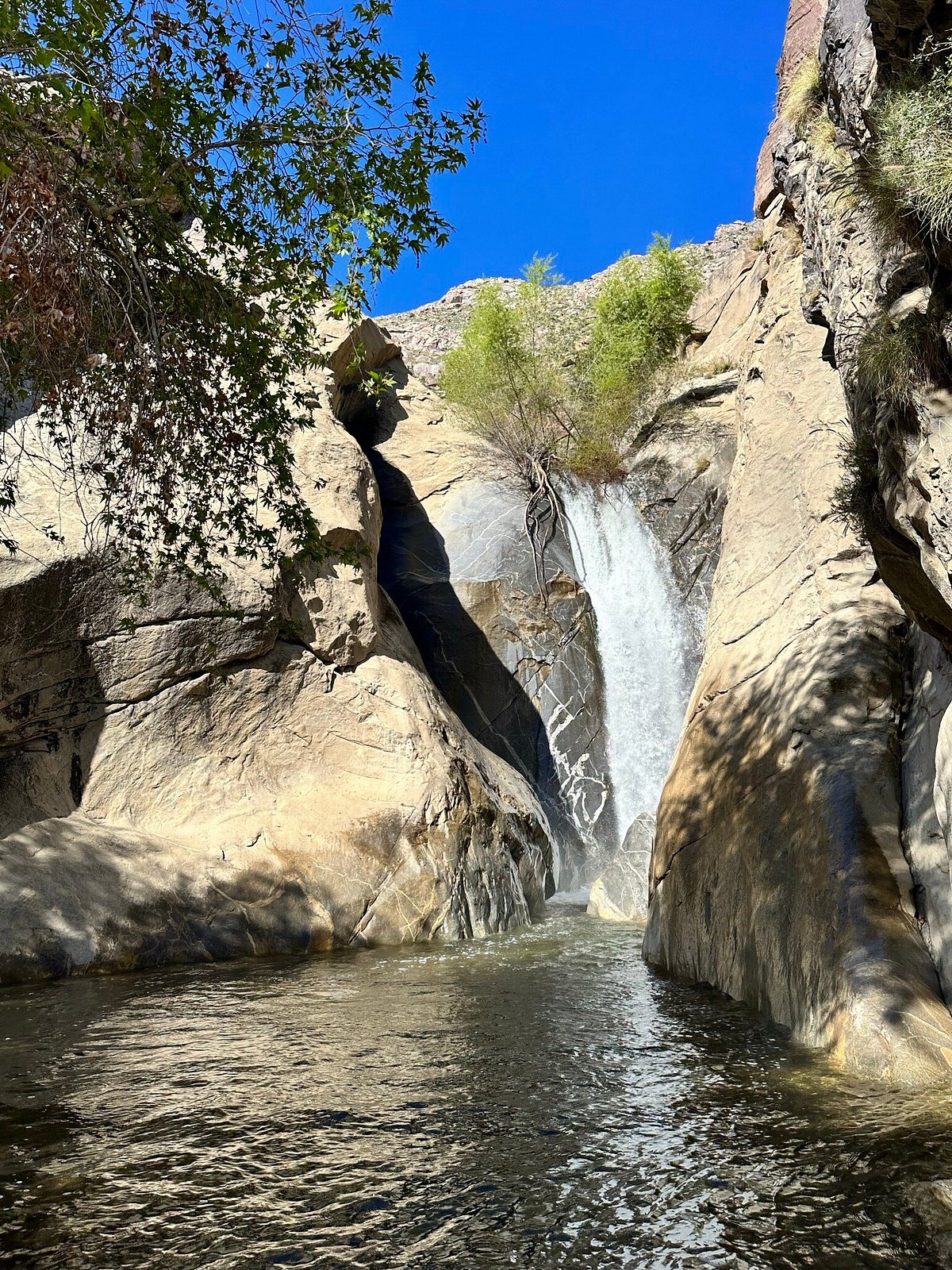
In the heart of the desert lies an unexpected treasure, Tahquitz Falls, a spectacular 60-foot waterfall accessed via a scenic 2-mile hike through Tahquitz Canyon. This hidden gem offers a dramatic waterfall viewpoint that seems to defy the arid surroundings, creating an oasis of cool water and lush vegetation within the Agua Caliente Indian Reserve.
Trail Details & Features
- Distance: 2-mile out-and-back hike
- Elevation Gain: 350 feet
- Difficulty: Easy to Moderate
- Trail Duration: 45-90 minutes depending on pace
- Water Feature: Spectacular 60-foot waterfall with natural pools
- Seasonal Variation: Water flow strongest in spring; minimal in late summer
- Cultural Sites: Ancient rock art and traditional irrigation systems
What to Experience
The hike through Tahquitz Canyon takes you along a creek that increasingly flows with cascading water as you ascend. The trail winds through diverse desert terrain, revealing the geology and ecology of the San Jacinto foothills. Upon reaching Tahquitz Falls, you're rewarded with the sight of water plunging 60 feet over granite rocks into a natural pool below, a surreal oasis in the desert. The cool mist, flowing water, and lush vegetation around the falls create a microclimate dramatically different from the surrounding arid landscape.
Why Visit Tahquitz Falls?
Tahquitz Falls offers a unique combination of natural beauty and cultural significance. The waterfall itself is spectacular, but what makes this viewpoint truly special is its contrast with the surrounding desert. The sight of abundant water, vegetation, and wildlife in what appears to be barren landscape creates a profound appreciation for the region's hydrology. Additionally, the hike allows you to experience both the desert ecosystem and the canyon's cultural heritage through ancient rock art and engineering.
Pro Tips
- Visit in Spring: March-May offers the strongest waterfall flow and wildflower blooms
- Bring Water: Carry at least 2 liters despite the creek alongside the trail
- Sturdy Footwear: The rocky trail and creek crossings require good hiking boots
- Swim at Your Own Risk: The natural pools are inviting but can be cold and deep
- Cultural Respect: Observe signs indicating ancient rock art; don't touch or disturb
- Early Morning Start: Beat the crowds on this popular trail
- Sun Protection: The trail offers limited shade; bring sunscreen and a hat
- Best Photo Angle: Hike to the falls during golden hour for dramatic backlighting
Practical Information
- Hours: Sunrise to sunset; visitor center has specific hours
- Admission: Day-use fees per person or group
- Parking: Available at the Tahquitz Canyon Visitors Center
- Facilities: Visitor center with restrooms and information
- Accessibility: Trail is moderately accessible; not recommended for those with significant mobility limitations
- Duration: 2-3 hours total including hike and time at the falls
5. Bump and Grind Trail: Challenging Views of Palm Desert
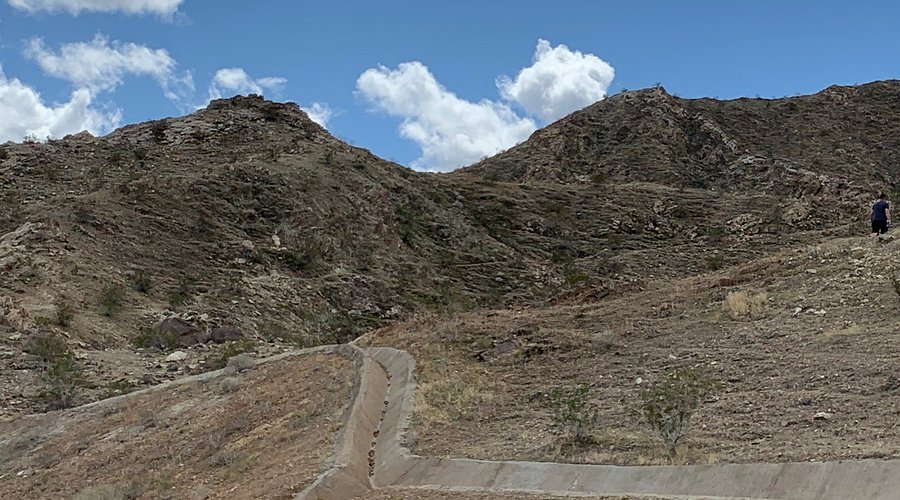
For hikers seeking a more challenging ascent rewarded with exceptional panoramic views, the Bump and Grind Trail offers a rigorous 4-mile loop that climbs nearly 1,000 feet through rocky desert terrain. The summit reveals breathtaking 360-degree vistas of Palm Desert, the surrounding mountains, and the vast Coachella Valley stretching to the horizon.
Trail Details & Challenge Level
- Distance: 4-mile loop
- Elevation Gain: Approximately 1,000 feet
- Difficulty: Moderate to Challenging
- Trail Duration: 2-3 hours depending on fitness level
- Terrain: Rocky ridges, exposed slopes, switchbacks with minimal shade
- Views: Progressive panoramic vistas that expand with each gain in elevation
- Summit Experience: 360-degree views from exposed ridgeline vantage point
What Makes This Hike Special?
The Bump and Grind Trail earns its name from the challenging incline and rocky terrain that demands serious hiking effort. However, the struggle is rewarded with some of the most expansive views in the greater Palm Springs area. As you ascend, the valley below reveals itself gradually, each switchback offering a new perspective. The summit viewpoint provides an unobstructed 360-degree panorama where Palm Desert sprawls below against a backdrop of rugged peaks and endless desert terrain.
The exposed nature of much of this trail means you're rewarded with views during the ascent, not just at the summit, making the climb feel purposeful and connected to the landscape.
Why Visit Bump and Grind Trail?
This viewpoint appeals to fitness-conscious hikers and nature enthusiasts who appreciate the connection between physical exertion and visual reward. Unlike some viewpoints that can feel passive, reaching the Bump and Grind summit feels like an achievement. The challenging terrain and elevation gain create a genuine sense of accomplishment, and the panoramic views justify every difficult step. The exposed ridgeline also offers excellent opportunities for landscape photography, especially during sunrise and sunset when warm light illuminates the desert floor.
Pro Tips
- Start Very Early: The exposed trail offers no shade; start at dawn to avoid afternoon heat
- Bring Plenty of Water: Carry 3+ liters; there are no water sources on the trail
- Wear Sun Protection: Sunscreen, hat, and sunglasses are essential
- Hiking Boots Required: The rocky terrain demands sturdy footwear with good ankle support
- Best Seasons: Fall (September-November) and spring (March-May) offer ideal conditions
- Avoid Summer Heat: The exposed trail is dangerous in summer temperatures above 95°F
- Sunrise Hike: Start before dawn to reach the summit for sunrise colors
- Photography: Wide-angle lens for panoramic valley views
- Headlamp for Descents: If hiking sunset, bring a headlamp for the descent
Practical Information
- Hours: Access during daylight hours
- Cost: Free
- Parking: Limited parking at trailhead; arrive early on weekends
- Facilities: No facilities at trailhead; bring everything you need
- Duration: 2-3 hours hiking plus summit rest time
- Accessibility: Not recommended for those with limited mobility or fitness levels
6. The Cross Trail: Illuminated Views and Sunset Magic
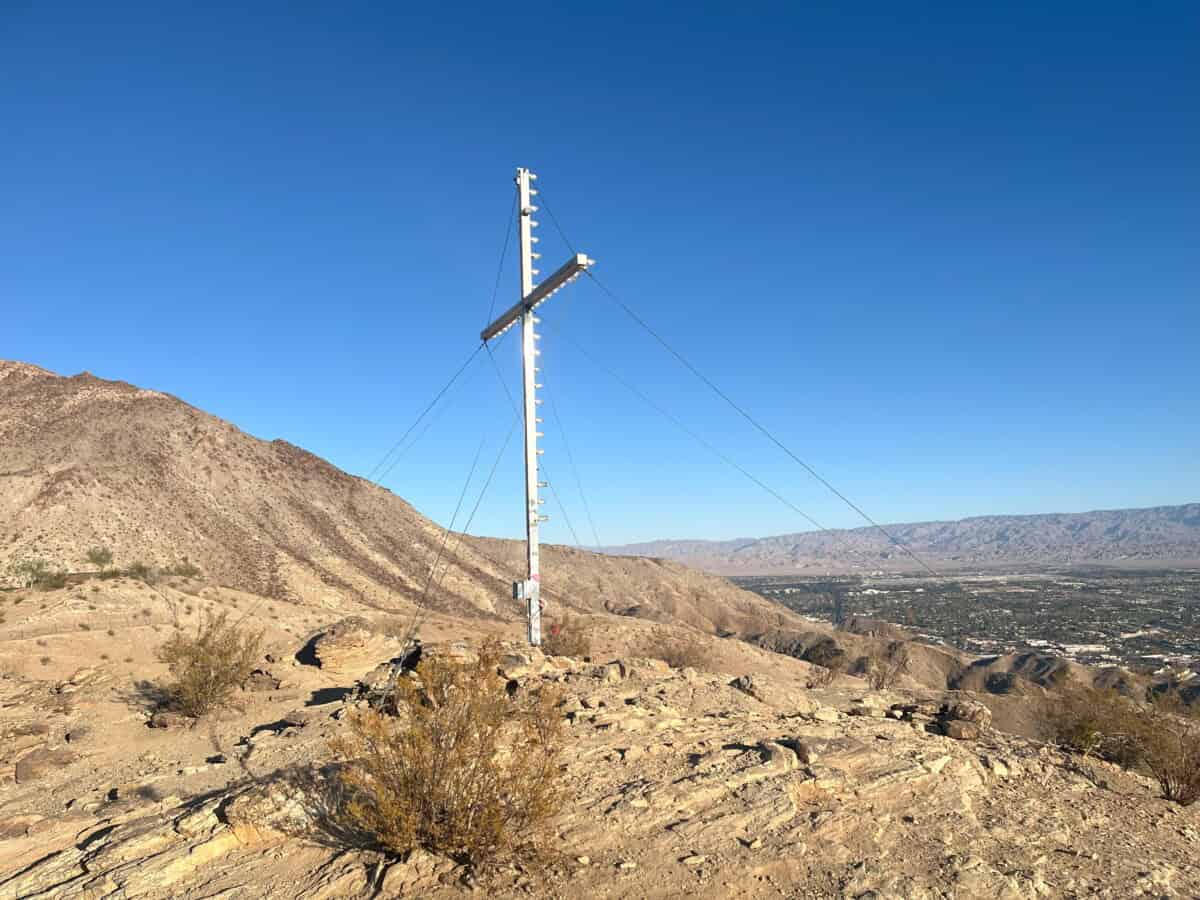
Rising prominently above Palm Springs, the illuminated Cross marks the endpoint of one of the region's most rewarding moderate hikes. The Cross Trail is a 2.6-mile loop that climbs approximately 600 feet to deliver exceptional views of the entire Palm Springs valley and the iconic illuminated Cross, especially magical at sunset and twilight.
Trail Details & Experience
- Distance: 2.6-mile loop
- Elevation Gain: Nearly 600 feet
- Difficulty: Easy to Moderate
- Trail Duration: 1.5-2 hours
- Summit Feature: 40-foot white illuminated Cross visible for miles
- Best Time: Sunset and evening hours when the Cross lights up
- Viewing Opportunities: Multiple scenic vistas during ascent and descent
What to Expect
The Cross Trail winds up a prominent ridge overlooking Palm Springs, with increasingly expansive views as you gain elevation. The trail itself is well-maintained and clearly marked, making it accessible for most fitness levels. As you approach the summit, the iconic white Cross becomes visible, a 40-foot landmark that has watched over Palm Springs since 1957. The summit viewpoint offers comprehensive views of downtown Palm Springs, the surrounding valley, and the San Jacinto Mountains. As darkness falls, the illuminated Cross glows against the twilight sky, a sight that has inspired visitors for decades.
Why Visit The Cross Trail?
The Cross Trail combines accessible hiking with a unique landmark and exceptional timing opportunities. Unlike many mountain viewpoints that are best visited at specific times of day, the Cross Trail offers compelling views throughout the day and transforms into something magical as the sun sets. The hike itself is moderate enough for most visitors while still providing genuine physical activity. The presence of the illuminated Cross adds a cultural and historical dimension, this is not just a scenic vista but a meaningful landmark in Palm Springs' identity.
Pro Tips
- Best Time to Visit: Arrive 1-2 hours before sunset for the optimal experience
- Bring a Headlamp: Essential if you're descending after dark
- Camera with Manual Mode: Sunset and twilight require exposure control for the best photos
- Layers: Evenings can be cool; bring a light jacket even on hot days
- Arrive Early on Weekends: This popular trail attracts crowds; parking fills quickly
- Time-Lapse Photography: Perfect trail for capturing sunset and twilight color transitions
- Combine with Dinner: Time your hike to finish at a nearby restaurant for sunset dining with a view
- Multiple Ascents: Visit at different times of year to see how the light and views change
Practical Information
- Hours: Access during daylight; can hike into early evening
- Cost: Free
- Parking: Available at trailhead; can be limited on weekends
- Facilities: Minimal; bring water and sun protection
- Duration: 2-3 hours total including rest at summit
- Accessibility: Moderate terrain; suitable for most fitness levels
- Cross Lighting: Illuminated daily from dusk to approximately 10 PM
Planning Your Palm Springs Scenic Viewpoint Adventure
Best Times to Visit
- Spring (March-May): Ideal weather, wildflower blooms in canyons, moderate temperatures
- Fall (September-November): Clear skies, comfortable temperatures, excellent hiking conditions
- Winter (December-February): Mild days, snow-capped mountains visible, fewer crowds (except holidays)
- Summer (June-August): Early morning/evening hiking only due to extreme heat; sunset views exceptional
What to Bring
When exploring Palm Springs' scenic viewpoints, pack smart:
- Water: Minimum 2-3 liters per person, especially for hiking trails
- Sun Protection: Sunscreen (SPF 50+), hat, sunglasses, and long-sleeved shirt
- Sturdy Hiking Boots: Essential for canyon and trail viewpoints
- Layers: Desert weather varies dramatically; bring a light jacket
- Camera/Phone: For capturing spectacular views; bring mobile chargers
- Snacks: Energy bars, nuts, or fruit for sustained energy
- Map or GPS: Download offline maps for trail navigation
- Headlamp or Flashlight: If hiking at sunset or sunrise
- Trekking Poles: Helpful for challenging trails like Bump and Grind
Difficulty Considerations
- Easy/Accessible: Coachella Valley Vista Point, Palm Springs Aerial Tramway
- Easy to Moderate: Tahquitz Falls, The Cross Trail, Andreas Canyon
- Moderate: Palm Canyon, The Cross Trail longer routes
- Moderate to Challenging: Bump and Grind Trail, Murray Canyon, Indian Canyons full routes
- Challenging: Extended Mount San Jacinto Peak Trail, Clara Burgess Trail
Suggested Itineraries
Weekend Scenic Escape (2 Days):
- Day 1: Palm Springs Aerial Tramway (morning) → Coachella Valley Vista Point (midday) → Rest at resort
- Day 2: Tahquitz Falls hike (morning) → Lunch in downtown Palm Springs → The Cross Trail (sunset)
Hiking-Focused Adventure (1 Day):
- Morning: Indian Canyons (Palm Canyon) early start → Lunch break
- Afternoon: Bump and Grind Trail → Sunset at elevated viewpoint
Diverse Viewpoint Tour (3-4 Hours):
- Palm Springs Aerial Tramway → Coachella Valley Vista Point → Downtown Palm Springs exploration
Cultural & Natural Blend:
- Morning: Indian Canyons (cultural experience and natural views)
- Afternoon: Palm Springs Aerial Tramway to Mount San Jacinto
- Evening: The Cross Trail at sunset
Getting Around Palm Springs
Palm Springs viewpoints are best explored by car:
- Palm Springs Aerial Tramway: Located in the western foothills; accessible via Highway 111
- Indian Canyons: South of downtown on South Palm Canyon Drive
- Coachella Valley Vista Point: Off Highway 74 in the foothills
- Tahquitz Falls: Tahquitz Canyon Visitors Center east of downtown
- Bump and Grind Trail: Ridgeline trailhead east of Palm Springs
- The Cross Trail: Rising above Palm Springs; accessible via multiple entry points
Beyond These Six: Additional Scenic Viewpoints
While these six viewpoints showcase Palm Springs' diverse natural attractions, the region offers much more to explore:
- Moorten Botanical Gardens: Desert plants in artistic displays
- Thousand Palms Oasis Reserve: Boardwalk through lush palm oasis
- Palm Canyon Drive: Architectural beauty and downtown vistas
- Joshua Tree National Park: A one-hour drive offering otherworldly desert landscapes with Joshua trees and massive boulders
- Mount Tamalpais: Extended hiking with San Jacinto Peak Trail offering summit views
- Big Morongo Canyon Preserve: Riparian ecosystem with diverse wildlife viewing
- Clara Burgess Trail (Murray Hill): Challenging 8-mile hike with panoramic valley views
Discover Palm Springs' Scenic Splendor
Palm Springs' scenic viewpoints reveal a landscape of extraordinary diversity, from palm-filled oases and dramatic canyon systems to mountain peaks and sprawling valley panoramas. Each viewpoint offers a unique perspective on the Coachella Valley's natural beauty, cultural history, and geological drama. Whether you're seeking an accessible overlook, a rewarding hiking destination, or a sunset spectacle, these six viewpoints showcase the incredible scenic variety that makes Palm Springs one of Southern California's most visually stunning destinations.
The mountains are calling, the valleys are waiting, and the views are unforgettable. Start with whichever viewpoint appeals to you most, and before long, you'll be exploring the entire landscape of scenic splendor that Palm Springs offers. The desert awaits, answer the call.
About Rick, Chief Weed Smoker
Rick is the ultimate cannabis connoisseur and Chief Weed Smoker at Off The Charts, where he combines his love for good vibes and greener pastures with expert insights on all things cannabis. From exploring the best strains to sharing tips for beginners, Rick’s laid-back style and deep knowledge make him your go-to guide in the world of weed. When Rick isn’t testing the latest hybrid, you’ll find him advocating for cannabis culture and crafting blogs to keep our readers informed and elevated. Stay tuned to the blog for Rick’s take on the ever-evolving cannabis industry.