

How to Store Cannabis Products: Keep Your Flower, Edibles & Concentrates Fresh
Cannabis products are investments in quality experiences, whether for medical relief, relaxation, or recreation. However, improper storage quickly degrades cannabinoid potency, terpene profiles, flavor, and aroma while creating risks for mold growth and product contamination. Cannabis contains delicate compounds, THC, CBD, and aromatic terpenes, that degrade when exposed to air, light, heat, and improper humidity levels. Understanding proper storage methods for different product types (flower, edibles, and concentrates) preserves product quality, extends shelf life, and ensures consistent effects over time.
This concise guide covers the four enemies of cannabis freshness, optimal storage conditions for each product type, and practical solutions for keeping your cannabis fresh for months. With proper storage techniques, you protect your investment and maintain the full sensory and therapeutic experience your products were designed to deliver.
The Four Enemies of Cannabis Freshness
Enemy #1: Light Exposure
The Threat:
Light, particularly ultraviolet (UV) rays, rapidly breaks down cannabinoids and terpenes in cannabis products. Just as sunlight fades fabric colors, UV light degrades THC into CBN (cannabinol), a less psychoactive compound, significantly reducing potency over time. Studies demonstrate that light exposure represents the single greatest threat to cannabinoid stability during storage.
The Solution:
- Store all cannabis products in dark, opaque containers or light-resistant packaging
- Keep products in cupboards, drawers, or dedicated storage boxes away from windows
- Use amber or dark-colored glass jars that block UV penetration
- Avoid clear plastic bags or transparent containers exposing products to ambient light
- Never leave cannabis products on windowsills, countertops, or other light-exposed areas
Enemy #2: Heat and Temperature Fluctuations
The Threat:
Heat accelerates cannabinoid degradation and terpene evaporation. High temperatures (above 77°F/25°C) cause terpenes, the aromatic compounds giving cannabis its distinctive flavors and aromas, to evaporate, leaving products harsh and flavorless. Extreme heat can also cause edibles to melt, concentrates to change consistency, and increase mold/mildew risk when combined with humidity.
The Solution:
- Maintain storage temperatures between 60-70°F (15-21°C) for optimal preservation
- Store products away from heat sources: radiators, ovens, electronics, heating vents
- Avoid temperature fluctuations, consistent cool temperatures preserve quality better than varying conditions
- Never store cannabis in vehicles where temperatures fluctuate dramatically
- Consider wine coolers or dedicated cannabis storage units for precise temperature control
- Refrigeration acceptable for concentrates (especially live resin/rosin); allow products to reach room temperature before opening to prevent condensation
Enemy #3: Humidity (Too Much or Too Little)
The Threat:
Humidity levels dramatically affect cannabis quality. Excessive humidity (above 65% relative humidity) creates environments where mold and mildew thrive, rendering products unsafe for consumption. Insufficient humidity (below 55% RH) causes cannabis to dry out excessively, becoming brittle, harsh when smoked, and losing terpene content rapidly.
The Ideal Range:
Cannabis flower should be stored at 55-62% relative humidity (RH) for optimal preservation. This range prevents mold growth while maintaining proper moisture levels preserving terpene profiles and smooth consumption experiences.
The Solution:
- Use two-way humidity control packs (Boveda or Integra Boost) maintaining 58-62% RH automatically
- Store products in airtight containers preventing ambient humidity from affecting contents
- Monitor humidity with hygrometers (humidity gauges) if storing large quantities
- Adjust humidity packs every 2-4 months as they gradually lose effectiveness
- In naturally humid climates, prioritize airtight sealing and consider silica gel packets for long-term storage
- In dry climates, humidity packs become essential for preventing overdrying
Enemy #4: Air Exposure (Oxygen)
The Threat:
Oxygen exposure causes cannabinoid oxidation, chemical reactions that break down THC, CBD, and terpenes over time. Extended air exposure accelerates degradation, reduces potency, alters flavor profiles, and causes products to lose their distinctive characteristics. Each time you open storage containers, you introduce fresh oxygen accelerating this process.
The Solution:
- Use airtight containers with secure, tight-sealing lids
- Minimize container opening frequency, remove only what you need, reseal immediately
- Choose appropriately-sized containers, avoid excessive empty space creating unnecessary air exposure
- Consider vacuum-sealing for long-term storage (6+ months)
- Transfer products from original packaging to proper storage containers shortly after purchase
- Burp containers weekly for first 2-3 weeks if storing freshly-purchased flower (releases excess moisture)
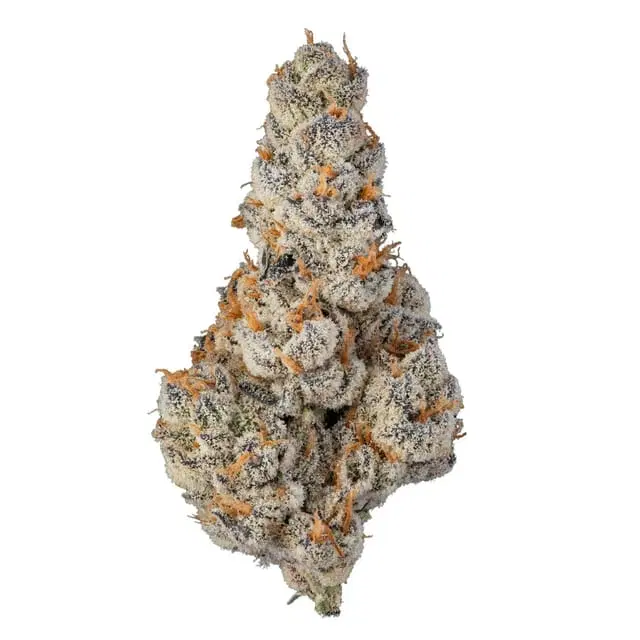
Storing Cannabis Flower: Maximum Freshness Techniques
Optimal Containers for Flower
Glass Jars (Best Overall Choice):
Airtight glass jars, particularly mason jars with rubber-sealed lids, represent the gold standard for cannabis flower storage. Glass is inert (doesn't interact chemically with cannabis), preserves flavor without imparting foreign tastes, and provides excellent airtight sealing when properly closed.
Key features:
- Dark-colored (amber or cobalt) glass blocks UV light
- Wide-mouth jars facilitate easy access without damaging delicate buds
- Various sizes available, match jar size to quantity stored
- Glass maintains consistent internal environment better than plastic
- Reusable and environmentally friendly
Specialized Cannabis Storage Containers:
Purpose-built cannabis storage solutions offer advanced features:
- Built-in UV protection
- Humidity control integration
- Smell-proof technology
- Precise temperature regulation (high-end models)
- Child-resistant mechanisms for safety compliance
Avoid These Containers:
- Plastic bags: Porous, allow air exchange, generate static electricity damaging trichomes, don't block light
- Metal containers: Can impart metallic flavors and don't provide humidity control
- Wooden boxes: Absorb and release moisture unpredictably
- Tobacco humidors: Designed for different humidity levels (70%+) and can introduce cedar flavors
Step-by-Step Flower Storage Process
- Select appropriate-sized glass jar based on quantity (minimize empty space)
- Clean and dry jar thoroughly before first use
- Add humidity control pack (58-62% RH rating) to jar
- Gently place cannabis flower in jar without compressing or breaking buds
- Fill jar 75-85% full, avoid overpacking which restricts airflow and can trap moisture
- Seal jar tightly ensuring airtight closure
- Label jar with strain name and storage date
- Store in cool (60-70°F), dark location away from light sources and heat
- Open jar briefly once weekly for first 2-3 weeks to release excess moisture (burping)
- Replace humidity packs every 2-4 months or when they become rigid
How Long Does Flower Stay Fresh?
|
Storage Method |
Shelf Life |
|
Proper storage (airtight, dark, cool, humidity controlled) |
6-12 months |
|
Vacuum-sealed with optimal conditions |
1-3 years |
|
Original dispensary packaging (unopened) |
3-6 months |
|
Plastic bag at room temperature |
1-2 months (rapid degradation) |
Signs Your Flower Has Degraded
Visual: Discoloration (brown/yellow tones), visible mold spots (white/gray fuzzy growth)
Texture: Crumbles to dust when touched (overdried), feels damp/spongy (too moist)
Smell: Musty or hay-like odor (mold), complete lack of aroma (terpene loss), ammonia smell (dangerous mold)
Effects: Significantly reduced potency, harsh smoke, unpleasant taste
If you detect mold or ammonia smells, discard the entire batch immediately, mold can be harmful when inhaled.
Storing Edibles: Maintaining Potency and Safety
General Edible Storage Principles
Cannabis edibles require different storage approaches than flower because they combine cannabis compounds with food matrices susceptible to spoilage. The primary goals: prevent food degradation, maintain cannabinoid potency, and ensure child safety.
Universal Rules:
- Keep edibles in original child-resistant packaging whenever possible
- Store completely out of reach of children and pets, edibles can be mistaken for regular treats
- Maintain cool, dark storage conditions preventing heat and light exposure
- Check expiration dates and consume within recommended timeframes
- Label clearly if transferring to different containers
- Never store cannabis edibles with regular food to prevent accidental consumption
Storage by Edible Type
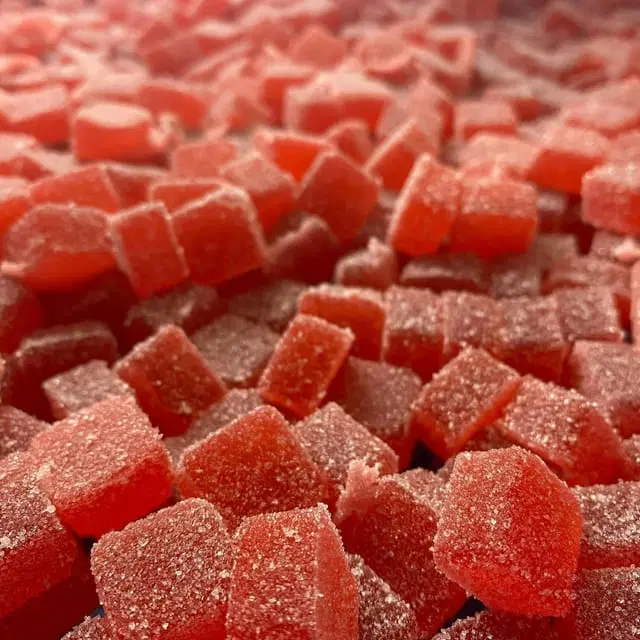
Gummies and Fruit Chews:
- Store at room temperature (60-70°F) in airtight containers
- Heat causes melting, avoid warm environments
- Shelf life: 6-12 months when properly stored
- Refrigeration extends shelf life but may alter texture (becomes firmer)
- Keep in original packaging to maintain proper dosing information
Chocolates and Candies:
- Refrigeration recommended, especially in warm climates
- Prevent bloom (white coating) by avoiding temperature fluctuations
- Store in airtight containers preventing moisture absorption and odor transfer
- Shelf life: 4-6 months refrigerated, 2-3 months at room temperature
- Allow to reach room temperature before consumption for best flavor
Baked Goods (Cookies, Brownies, Cakes):
- Short-term (1-3 days): Room temperature in sealed containers
- Medium-term (1-2 weeks): Refrigeration in airtight containers
- Long-term (1-3 months): Freezer storage in vacuum-sealed or airtight freezer bags
- Separate layers with parchment paper preventing sticking
- Thaw frozen items in refrigerator overnight before consuming
Beverages and Tinctures:
- Store upright preventing leakage
- Refrigerate after opening for extended shelf life
- Keep away from light in dark bottles or cupboards
- Tinctures particularly stable, can last 1-2 years properly stored
- Check for cloudiness, separation, or off-odors indicating spoilage
Capsules and Pills:
- Room temperature storage in original bottles
- Keep desiccant packets (if included) in bottles
- Avoid bathroom storage, humidity from showers degrades capsules
- Shelf life: 1-2 years when properly stored
- Most stable edible format for long-term storage
Edible Storage Summary Table
|
Edible Type |
Storage Location |
Temperature |
Shelf Life |
|
Gummies/chews |
Airtight, cool place |
Room temp |
6-12 months |
|
Chocolates |
Refrigerator |
35-40°F |
4-6 months |
|
Baked goods |
Refrigerator/freezer |
35-40°F/0°F |
1-2 weeks / 1-3 months |
|
Beverages |
Refrigerator |
35-40°F |
2-4 weeks opened |
|
Tinctures |
Dark cupboard |
Room temp |
1-2 years |
|
Capsules |
Cool, dry place |
Room temp |
1-2 years |
Storing Concentrates: Preserving Potency and Consistency
Concentrate Storage Needs
Cannabis concentrates, wax, shatter, live resin, rosin, distillate, are highly potent products (60-95% THC) with unique storage requirements. The concentrated nature makes them more susceptible to terpene loss and texture changes from improper storage, though they're generally more stable than flower regarding mold risk.
Optimal Concentrate Storage
Short-Term Storage (Days to Weeks):
- Keep concentrates in original silicone containers or small glass jars
- Store at room temperature (60-70°F) in dark locations
- Silicone containers ideal for sticky concentrates (wax, budder, live resin)
- Glass containers better for shatter and stable concentrates
- Parchment paper acceptable for shatter short-term storage
Long-Term Storage (Months):
- Refrigeration recommended for premium concentrates, especially live resin and live rosin
- Use airtight, smell-proof containers preventing odor transfer
- Allow concentrates to reach room temperature before opening (prevents condensation)
- Some users successfully store concentrates 6-12 months refrigerated
- Freezing possible for extended storage but can alter texture, use vacuum-sealed containers
Storage by Concentrate Type
Wax, Budder, and Crumble:
- Room temperature acceptable for short-term (weeks)
- Silicone containers prevent sticking and facilitate easy handling
- Refrigeration extends shelf life without significantly altering consistency
- Keep containers sealed, these textures expose more surface area to air
Shatter:
- Room temperature or refrigeration both acceptable
- Glass containers or parchment paper suitable storage media
- Warm temperatures cause shatter to become sticky and harder to handle
- Refrigeration maintains glassy consistency
Live Resin and Live Rosin:
- Refrigeration strongly recommended, preserves terpene profiles
- Most temperature-sensitive concentrates due to high terpene content
- Store in small glass jars or UV-resistant containers
- Bring to room temperature before opening preventing moisture condensation
- Peak freshness: 2-3 months refrigerated; 2-4 weeks room temperature
Distillate:
- Room temperature storage sufficient
- Syringes should be stored upright with caps secured
- Heat makes distillate more liquid; cold makes it more viscous
- Most stable concentrate type, minimal terpenes means less degradation risk
- Shelf life: 1-2 years properly stored
Hash and Kief:
- Store like flower, airtight glass containers with humidity control
- Cool, dark conditions optimal
- Separate from flower preventing cross-contamination
- Can be pressed into pucks for easier storage and handling
Critical Concentrate Storage Tips
- Never use plastic containers long-term, terpenes can degrade plastics and leach chemicals
- Minimize repeated opening, remove needed amount quickly, reseal immediately
- Use dabber tools, avoid touching concentrates with fingers (introduces oils and contaminants)
- Label containers with concentrate type and storage date
- Inspect regularly for texture changes, discoloration, or loss of aroma
- Purchase quantities you'll consume within 2-3 months for optimal experience
Maximizing Cannabis Product Longevity
Storage Priority Checklist
☑ Store in cool environments (60-70°F ideal)
☑ Keep away from direct light and UV exposure
☑ Use airtight, sealed containers appropriate for product type
☑ Control humidity (55-62% RH for flower)
☑ Minimize air exposure by limiting container opening
☑ Label products with storage dates
☑ Inspect regularly for degradation signs
☑ Keep out of reach of children and pets
When to Discard Cannabis Products
Immediate Disposal Required:
- Visible mold (white/gray fuzzy growth, black spots)
- Ammonia or severely musty odors
- Slimy texture or excessive moisture
- Significant discoloration suggesting contamination
- Expired edibles showing signs of food spoilage
Consider Replacement:
- Complete loss of aroma (terpenes evaporated)
- Powder-dry consistency (overdried beyond recovery)
- Significantly reduced effects despite proper dosing
- Products stored beyond recommended timeframes
How to store properly
Proper cannabis storage isn't complicated, it requires understanding the four primary threats (light, heat, humidity, air) and implementing appropriate protective measures for each product type. The investment in quality storage containers and humidity control pays dividends through extended product shelf life, maintained potency, preserved flavor profiles, and consistent effects over time.
Cannabis products represent investments in experiences and wellness, protecting those investments through proper storage ensures you receive the full value of your purchases. Whether storing flower, edibles, or concentrates, following these evidence-based storage practices maintains product quality from dispensary to consumption, delivering the effects, flavors, and experiences your products were designed to provide.
About Rick, Chief Weed Smoker
Rick is the ultimate cannabis connoisseur and Chief Weed Smoker at Off The Charts, where he combines his love for good vibes and greener pastures with expert insights on all things cannabis. From exploring the best strains to sharing tips for beginners, Rick’s laid-back style and deep knowledge make him your go-to guide in the world of weed. When Rick isn’t testing the latest hybrid, you’ll find him advocating for cannabis culture and crafting blogs to keep our readers informed and elevated. Stay tuned to the blog for Rick’s take on the ever-evolving cannabis industry.